

What Are the Core Safety Features in Assisted Living Communities?
Assisted living communities are designed with resident well-being at the forefront, using multiple safeguards to reduce risks and enhance daily life. These features target common concerns such as falls, emergency response, and environmental hazards, addressing the priorities of older adults and their families.
Key safety elements typically include:
- Secure entrances to monitor visitors and limit unauthorized access
- Emergency call systems in bedrooms and bathrooms
- Handrails and non-slip flooring in hallways and communal areas
- Thoughtful lighting to minimize fall risks, especially at night
Most local communities design spaces to fit the area’s residential pattern—favoring accessible, single or low-rise buildings that stay comfortable year-round, regardless of weather conditions. The aim is to balance independence with support, particularly as Gilbertsville’s seasonal shifts can make navigation and safety more complex during winter months.
How Do Emergency Response Systems Work?
Emergency response systems are a priority for family members choosing local assisted living, because quick access to help can dramatically impact outcomes. These systems commonly allow residents to summon staff with the press of a button from bedrooms and bathrooms.
In most communities:
- Devices are strategically located within easy reach, including by beds and in bathrooms
- Portable pendants or wristbands are often available for residents who prefer to carry help with them
- Central monitoring ensures staff are alerted immediately and can respond onsite, reducing delay from outside responders
Staff response times are regularly monitored to ensure protocols remain effective. Residents concerned about privacy may ask how notifications work—alerts are typically sent to trained team members rather than broadcast across the building, respecting discretion.
What Physical Design Features Improve Safety?
Physical layout plays a critical role in overall safety. Communities in Gilbertsville are built or adapted for accessibility, with frequent attention to:
- Ramp access and wide doorways suitable for wheelchairs or walkers
- Even, non-slip surfaces in hallways, minimizing tripping hazards during rainy or icy weather
- Grab bars installed throughout bathrooms, shower areas, and next to toilets
- Good lighting both indoors and at building entrances, reducing risk during short winter days
Some local facilities work to mitigate seasonal risks—like installing covered walkways to protect against ice or keeping paths well-lit during early winter evenings. Residents may wish to tour spaces and check that closets, meal areas, and activity rooms allow easy navigation with mobility aids.
Are Security Measures in Place to Prevent Wandering or Unwanted Visitors?
Community safety also includes access control—especially important for residents with memory loss or cognitive challenges. Facilities often lock main entry points outside daytime hours, using controlled access systems (like keypads or staff-monitored doors) to manage who enters or leaves the premises.
For vulnerable residents, some additional technologies may include:
- Door alarms that alert staff if someone attempts to leave unsupervised
- Enclosed courtyards or gardens where residents can enjoy the outdoors without risk of wandering away
- Security cameras in public areas for passive monitoring—never in private resident rooms
Protocols may differ based on each resident’s needs and agreed-upon care plan. Local families sometimes worry about the right balance between safety and autonomy, so most communities offer the chance to adjust access options as needed.
What Fire Safety Standards Are Required and Maintained?
Fire prevention receives special attention, as older buildings and quick evacuation needs can present unique challenges for local assisted living residents. Buildings in the area must comply with Pennsylvania fire codes and typically feature:
- Smoke detectors and sprinkler systems installed throughout living and common areas
- Clearly marked, unobstructed emergency exits on every floor
- Routine fire drills and staff training to practice evacuation in all weather conditions
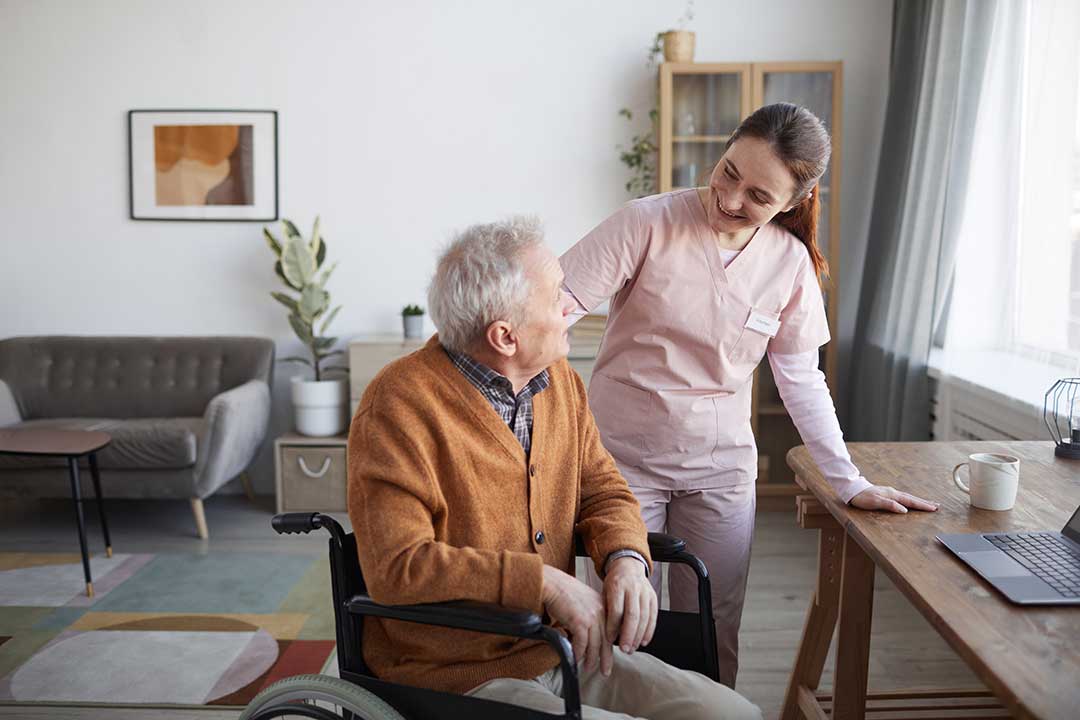
Residents often overlook how regular inspections and well-marked evacuation routes support peace of mind, especially in communities that serve people with mobility support needs. Fire drills may also be announced in advance to ease anxiety.
How Do Residents and Families Stay Informed About Safety Rules?
Continuous communication helps everyone understand and follow safety expectations. Upon moving in, residents and families are given orientation materials explaining emergency systems, visitor protocols, evacuation routes, and how to report personal safety concerns.
Most local communities reinforce this information by:
- Hosting regular meetings to answer questions about facility changes, policy updates, or seasonal issues (such as snow removal impacting entryways)
- Providing written guides or checklists specifically tailored to regional weather, neighborhood infrastructure, or unique building layouts
- Encouraging family participation in care conferences or safety training events
Residents who are new to Gilbertsville or unfamiliar with local conditions can seek advice from staff or neighbors on navigating the area’s particular climate or landscape.
Are There Special Considerations for Residents With Memory Impairment?
Those living with conditions like dementia face unique safety concerns beyond what traditional physical measures provide. Many facilities in Gilbertsville offer specially designed memory care units with:
- Calm, easy-to-navigate layouts to minimize confusion
- Consistent staff assignments for familiarity and trust
- Visual cues and gentle reminders posted in hallways or entryways
Additionally, staff receive extra training in redirection and early intervention techniques if a resident appears agitated or confused, decreasing the likelihood of wandering or unsafe behavior.
These tailored approaches help preserve residents' dignity and quality of life, while still prioritizing safety in a way that feels respectful and as independent as possible.
What Should Future Residents Walk Through or Ask About?
Prospective residents and their families usually benefit from directly observing how safety features are integrated into daily routines. During tours, consider:
- Testing emergency response systems and confirming how staff receive alerts
- Physically navigating halls, bathrooms, and outdoor areas to check for hazards
- Asking how seasonal conditions are addressed—are sidewalks kept clear of ice and snow, is backup power available for storms?
- Requesting to see fire evacuation maps and inquiring about the timing of recent drills
These practical checks help area residents feel more confident about safety standards, supporting well-informed decisions about assisted living options in the local community.
